
Stay Warm: Expert Heating Maintenance Tips for Homeowners
Key Takeaways
- Regular maintenance enhances the efficiency and longevity of heating systems.
- Simple tasks, such as filter replacement and sealing drafts, can lead to significant energy savings.
- Professional inspections help identify potential issues before they escalate.
Table of Contents
- Schedule Annual Professional In and become more severe inspections
- Replace or Clean Air Filters Regularly
- Seal Drafts and Insulate Properly
- Use a Programmable or Smart Thermostat
- Keep Vents Clear and Airflow Unobstructed
- Don’t Ignore Unusual Noises or Odors
- Maintain Accurate Service Records
- Clean Key Components
- Test Carbon Monoxide Detectors
- Prepare Backup Heating Sources
Keeping your home’s heating system in optimal condition is crucial for maintaining comfort, ensuring safety, and achieving cost-effectiveness during the winter months. Preventive care ensures your equipment runs efficiently, reduces the risk of breakdowns, and controls utility expenses. Whether you’re preparing for the cold or aiming to maximize your investment in home comfort, simple maintenance steps can have a significant impact on your overall comfort. If you need expert advice or repairs, trusted professionals specializing in Heating Repair in Brick Township, NJ, are available to help keep your system running smoothly all season.
Proactive homeowners can stay ahead of significant issues with a thoughtful approach to heating maintenance. From seasonal checkups and filter changes to high-tech thermostats and proper insulation, every task contributes to a warmer, safer, and more comfortable home. Routine upkeep also helps prevent health issues associated with poor air quality or carbon monoxide exposure.
Don’t wait until your system fails in the middle of a cold snap—a regular maintenance schedule and prompt attention to warning signs are key. These essential steps also help protect your manufacturer’s warranty, saving you from unexpected expenses and hassle down the road. By understanding and implementing these preventive tips, you can create a more comfortable living environment for your family and enhance your system’s longevity and reliability.
If you’re looking for additional guidance on home maintenance and energy conservation, the United States Department of Energy offers valuable resources on heating system care and efficiency.
Schedule Annual Professional Inspections
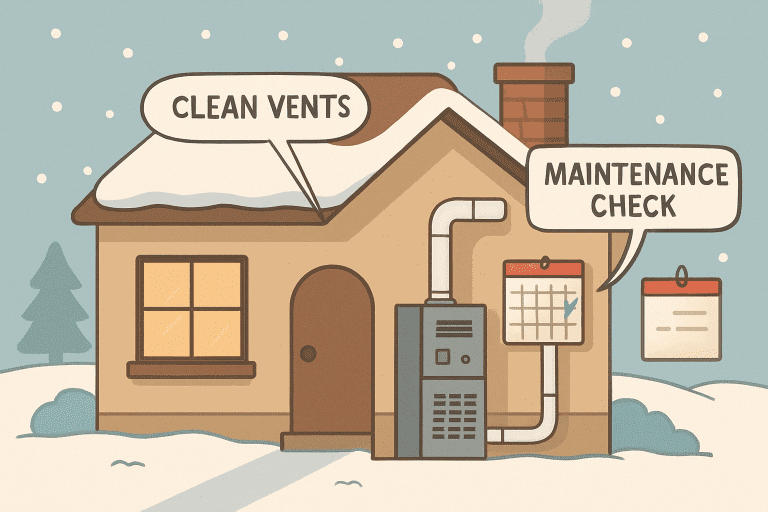
Annual professional inspections are crucial for detecting any issues that could compromise the efficiency or safety of your heating system. During a checkup, a certified HVAC technician will inspect components for wear, test electrical connections, lubricate moving parts, verify refrigerant levels, and clean critical components. Adjusting and calibrating your thermostat to match your household’s needs is also part of this comprehensive service.
Scheduling inspections before the cold sets in can prevent as much as 95% of unexpected failures, reducing inconvenient breakdowns and costly emergency repairs. For guidance on what to expect in a professional assessment, Consumer Reports provides insights on how to find a reputable contractor.
Replace or Clean Air Filters Regularly
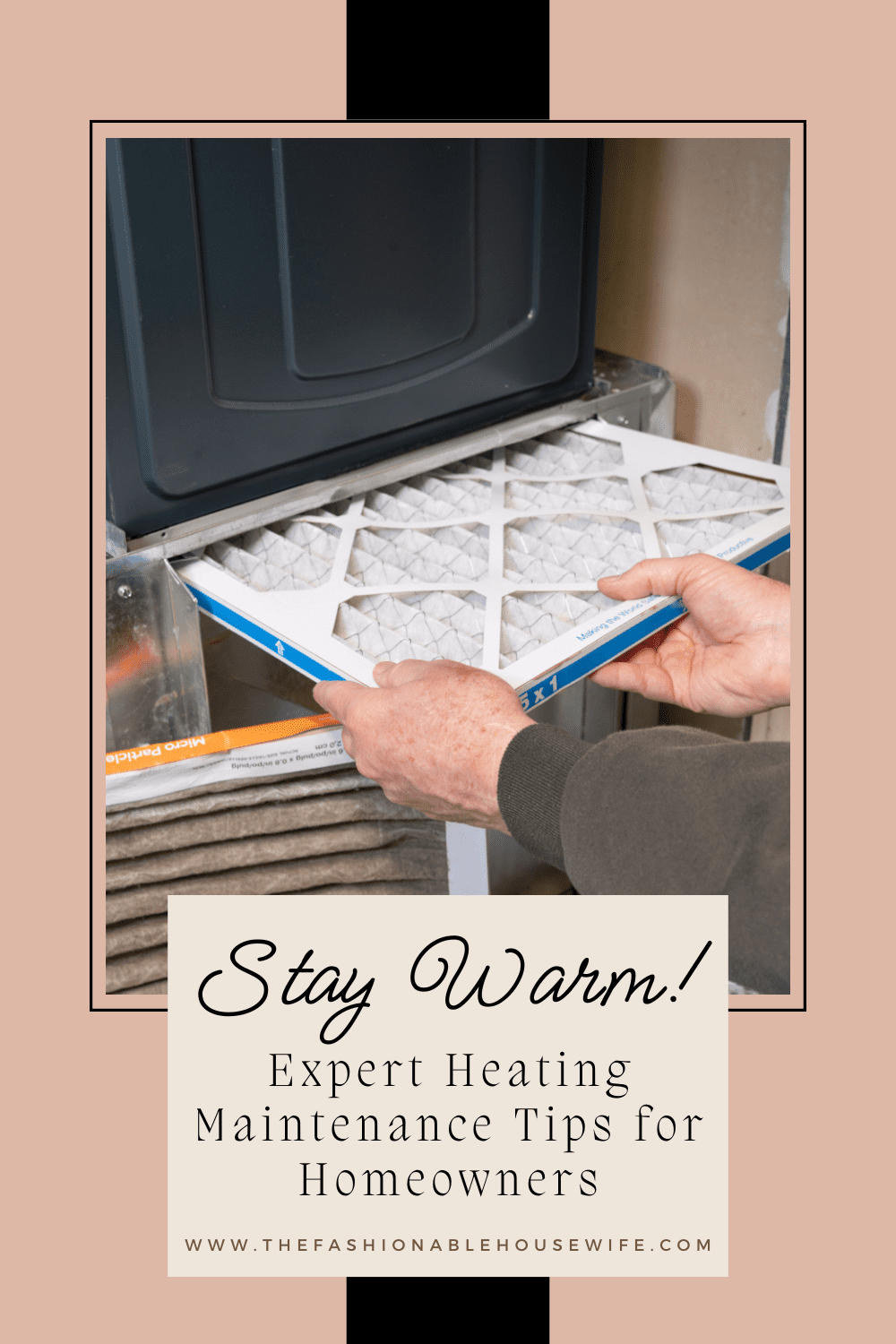
Clogged or dirty air filters restrict airflow, decreasing efficiency and increasing strain on your system. Regularly check your filters—ideally, monthly—and replace or clean them at least every 30–90 days, as per the manufacturer’s instructions and your household’s air quality needs. Clean filters trap allergens, dust, and other particles, improving both the life of your equipment and your home’s indoor air quality.
Seal Drafts and Insulate Properly
Poorly sealed windows, doors, and poorly insulated attics and basements can waste energy and money. Use weatherstripping or caulk to fill gaps around frames, baseboards, and penetrations. Upgrading attic and wall insulation helps lock in heat, so your furnace or heat pump doesn’t have to work overtime. High-quality insulation and effective draft-sealing strategies can reduce your annual energy bills by up to 20%.
Use a Programmable or Smart Thermostat
Upgrade to a smart or programmable thermostat for precise climate control. These devices enable you to set schedules that automatically lower the temperature at night or when you’re away, reducing unnecessary heating output, conserving energy, and extending your system’s lifespan. Modern smart thermostats can learn your daily habits, maximizing comfort and efficiency while reducing your energy costs by up to 15% over the course of a year.
Keep Vents Clear and Airflow Unobstructed
Unobstructed vents and registers are crucial for achieving even heat distribution. Periodically check that no furniture, drapes, or clutter blocks supply and return vents. Dust and vacuum vent covers to prevent airflow restrictions. Good airflow helps your system work efficiently and prevents uneven heating or cold spots throughout your home.
Don’t Ignore Unusual Noises or Odors
Odd sounds—such as banging, grinding, or squealing—or lingering odors often indicate underlying problems that require attention. A musty or burning smell can be symptomatic of dust buildup, electrical issues, or even mold. Address these warning signs promptly to safeguard your household and avoid more extensive damage.
Maintain Accurate Service Records
Keep detailed records of all maintenance activities. Note the dates of filter changes, professional inspections, and repairs. Documentation can support warranty claims or help technicians quickly identify recurring problems. Additionally, tracking unusual noises or changes in system performance provides valuable information for addressing issues before they escalate.
Clean Key Components
Dirt and debris collect over time on your heating system’s critical components. While filter changes are essential, deeper cleaning of heat exchangers, coils, and blower motors is necessary to keep your system efficient and reliable. Schedule comprehensive professional cleanings annually or as part of your service contract to prevent malfunctions and minimize energy use.
Test Carbon Monoxide Detectors
Heating systems—especially those burning fuel—carry the risk of carbon monoxide (CO) leaks. Test your CO detectors monthly, replace the batteries annually, and replace old units every 5–7 years. Detectors should be installed near bedrooms and any room with a fuel-burning appliance, keeping your family safe from this silent, potentially fatal hazard.
Prepare Backup Heating Sources
Severe winter storms and power outages can leave your primary heating system inoperable. Prepare safe backup options such as portable electric heaters, fireplaces, or generators. Always use these sources in accordance with the manufacturer’s safety guidelines, ensuring proper ventilation and keeping flammable objects clear of heat sources to prevent fire and carbon monoxide hazards.
By following these preventive heating maintenance tips, homeowners can keep their systems running optimally, maximize comfort, and minimize the risk of emergency breakdowns, regardless of the outside temperature.